
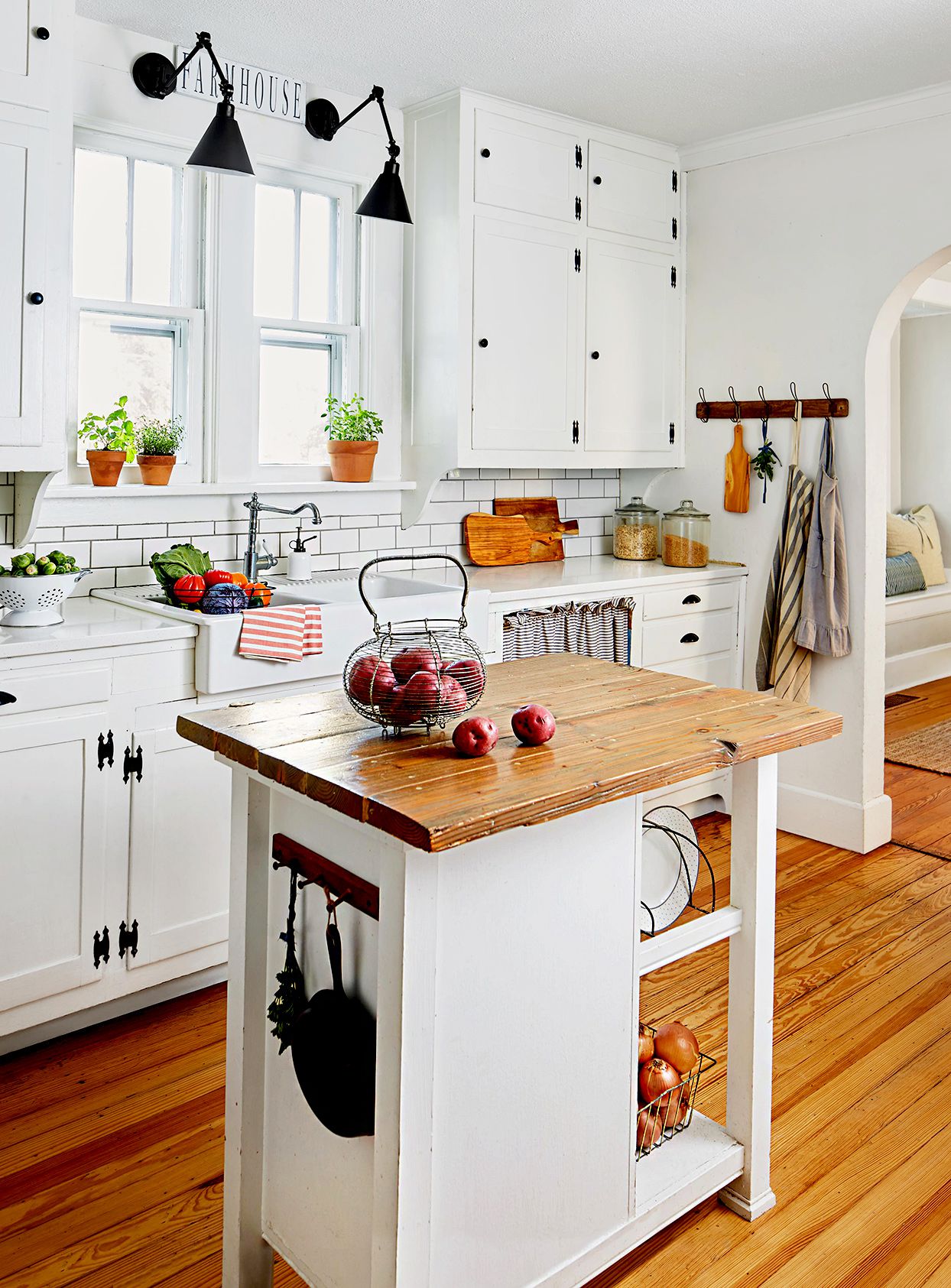
An efficient kitchen saves time, reduces effort, and makes everyday cooking more enjoyable. Smart layout planning, organized storage, and thoughtful lighting can transform even a compact kitchen into a highly functional workspace. Instead of focusing only on appearance, effective kitchen design prioritizes workflow, accessibility, and practicality.
The following tips help create a kitchen that supports smooth movement and minimizes clutter while maintaining a clean and attractive look.
Plan Around the Kitchen Work Triangle
The work triangle connects the three most-used areas:
- Sink
- Stove
- Refrigerator
Keeping these points within comfortable reach improves workflow and reduces unnecessary movement.
Efficiency tips for better triangle planning:
- Avoid placing obstacles between the three zones
- Maintain balanced spacing between each point
- Ensure pathways remain clear during cooking
A well-planned triangle layout makes meal preparation faster and less tiring.
Maximize Vertical Storage Space
Many kitchens waste valuable wall space that can improve storage significantly.
Smart vertical storage solutions include:
- Tall cabinets extending to the ceiling
- Wall-mounted spice racks
- Hanging utensil rails
- Open shelves for daily-use items
Using vertical storage keeps counters clear and improves accessibility.
Keep Countertops Clutter-Free
Clear countertops improve both efficiency and safety.
Practical decluttering strategies:
- Store rarely used appliances inside cabinets
- Use drawer organizers for utensils
- Add wall hooks for cooking tools
- Install under-cabinet storage baskets
More workspace allows smoother food preparation and cleaning.
Choose Smart Cabinet Organization Systems
Cabinet interiors play a major role in kitchen usability.
Helpful cabinet upgrades:
- Pull-out trays for deep cabinets
- Corner carousel shelves
- Drawer dividers
- Vertical tray storage for pans and lids
These solutions reduce time spent searching for items.
Improve Task Lighting for Better Visibility 💡
Proper lighting enhances precision and comfort during cooking.
Essential lighting layers for efficiency:
- Under-cabinet lighting for countertops
- Overhead ceiling lighting for general visibility
- Focus lights above sink and stove
Well-lit surfaces help prevent mistakes and improve safety.
Position Appliances Strategically
Efficient appliance placement supports smooth workflow.
Placement recommendations:
- Keep the refrigerator near the kitchen entrance
- Place the sink between refrigerator and stove
- Maintain adequate spacing around cooking zones
Thoughtful positioning reduces unnecessary movement while preparing meals.
Use Drawer Storage Instead of Deep Cabinets
Drawers allow easier access compared to traditional lower cabinets.
Benefits of drawer-based storage:
- Items remain visible at a glance
- Reduced bending and reaching
- Better organization with dividers
- Faster cleanup after cooking
This approach improves daily usability significantly.
Add Multi-Functional Storage Solutions
Modern kitchens benefit from flexible storage features.
Examples include:
- Foldable countertop extensions
- Pull-out pantry units
- Magnetic knife strips
- Stackable storage containers
Multi-purpose solutions increase functionality without increasing space requirements.
Maintain Clear Workflow Zones
Dividing your kitchen into activity zones improves efficiency.
Recommended zones include:
- Preparation zone
- Cooking zone
- Cleaning zone
- Storage zone
Organizing tools according to these areas reduces movement and speeds up tasks.
Select Easy-to-Clean Materials for Long-Term Efficiency
Maintenance-friendly surfaces save time every day.
Best material choices include:
- Quartz countertops
- Laminated cabinets
- Stainless steel fixtures
- Ceramic tile backsplashes
Durable materials maintain appearance while simplifying cleaning routines.
Optimize Ventilation for Comfort and Safety 🌬️
Good airflow keeps kitchens comfortable during cooking.
Ventilation improvements to consider:
- Install a chimney or exhaust fan
- Keep windows unobstructed
- Use heat-resistant backsplash materials near cooking zones
Proper ventilation improves air quality and reduces heat buildup.
Frequently Asked Questions (FAQs)
1. What is the ideal width for kitchen walkways?
Kitchen walkways should typically allow comfortable movement for at least one person at a time, especially between main work areas.
2. How can small kitchens be made more efficient without renovation?
Using wall-mounted storage, drawer organizers, and foldable surfaces can improve functionality without structural changes.
3. Are open shelves practical for everyday kitchens?
Yes, when used for frequently accessed items, open shelves improve accessibility and reduce time spent searching.
4. How can corner spaces in kitchens be used effectively?
Corner carousel units, pull-out racks, and angled drawers help utilize otherwise unused areas efficiently.
5. Should sinks be placed near windows whenever possible?
Positioning sinks near windows improves lighting and ventilation, making cleaning tasks more comfortable.
6. What flooring materials work best for efficient kitchens?
Slip-resistant and easy-to-clean flooring materials such as ceramic tiles and vinyl are practical choices.
7. How often should kitchen storage layouts be reorganized?
Reviewing storage organization every few months helps maintain efficiency as cooking habits and needs change.