
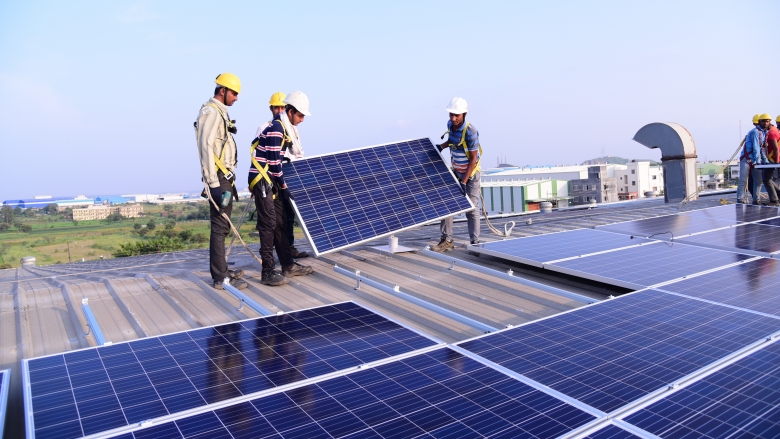
Solar generation can reduce dependence on purchased electricity, but the success of an installation is shaped by decisions made before any panels are fitted. Businesses considering a solar rooftop system in Thailand should begin with the building, energy profile and regulatory process, then develop the design around what the site can safely and productively support.
Check the Roof Before Calculating Output
Available roof area does not automatically equal usable solar area. Structural capacity, orientation, shading and access all affect the final design.
A structural assessment should confirm whether the roof can support the panels, mounting equipment and additional loads created by wind or maintenance activity. Older buildings may require reinforcement or repairs before installation.
Roof condition is equally important. Installing panels over a surface that will need replacement soon can create unnecessary removal and reinstallation costs.
Shading from nearby buildings, trees, signs and rooftop equipment should be mapped across different times of day. A small shadow may affect several connected panels, depending on the system design.
Safe access routes and working areas must also remain available for maintenance, fire safety and building services.
Match the System to Actual Consumption
A large installation is not always the most financially effective one. The system should be designed around when the site uses electricity.
Commercial buildings that operate during daylight hours can often consume a high proportion of the solar power as it is generated. Sites with low daytime demand may export more electricity or require storage to use the energy later.
Hourly or half-hourly consumption data gives a clearer picture than monthly bills. It shows whether solar production is likely to coincide with cooling, manufacturing or other major loads.
Future plans should be included. A business expecting to add machinery, electric vehicles or another operating shift may require a different design from one expecting demand to fall.
The financial model should distinguish between energy used on site, electricity exported and any demand-related savings.
Design for Safety and Long-Term Access
Panels are only one part of the system. Inverters, cabling, isolators, monitoring equipment and protective devices must all be positioned appropriately.
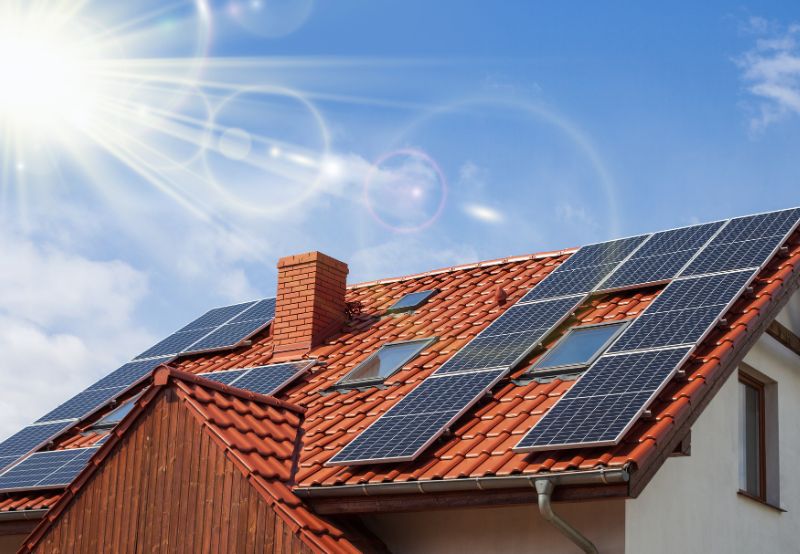
Cables should be protected from heat, moisture, pests and physical damage. Inverters need ventilation and access for servicing. Equipment labels and emergency isolation points should be clear to maintenance teams and emergency responders.
The mounting system must suit the roof type and local weather. Penetrations should be managed carefully to prevent leaks, while wind loading must be considered in exposed locations.
The design should allow technicians to inspect and clean the system without stepping over unsafe gaps or disturbing other rooftop equipment.
Coordination with fire-safety, insurance and building-management requirements should happen before installation rather than after the system has been completed.
Review Approvals and Commercial Terms
Grid connection, licensing and metering requirements can vary according to the system size, location and intended use of the electricity. The project team should identify the necessary applications and responsibilities early.
Contracts should clarify equipment specifications, warranties, expected output, installation scope and what happens if the roof or electrical infrastructure requires additional work.
Performance projections need realistic assumptions about weather, panel degradation, system losses and downtime. Guaranteed figures should be examined carefully to understand how they are measured and which exclusions apply.
Businesses should also know who owns the equipment under the proposed commercial model. Direct purchase, leasing and power-purchase arrangements create different responsibilities and long-term costs.
A successful rooftop project is built on a clear understanding of the site and its energy use. When structural, electrical and commercial decisions are coordinated from the beginning, solar generation can become a dependable part of the building rather than an isolated addition.