
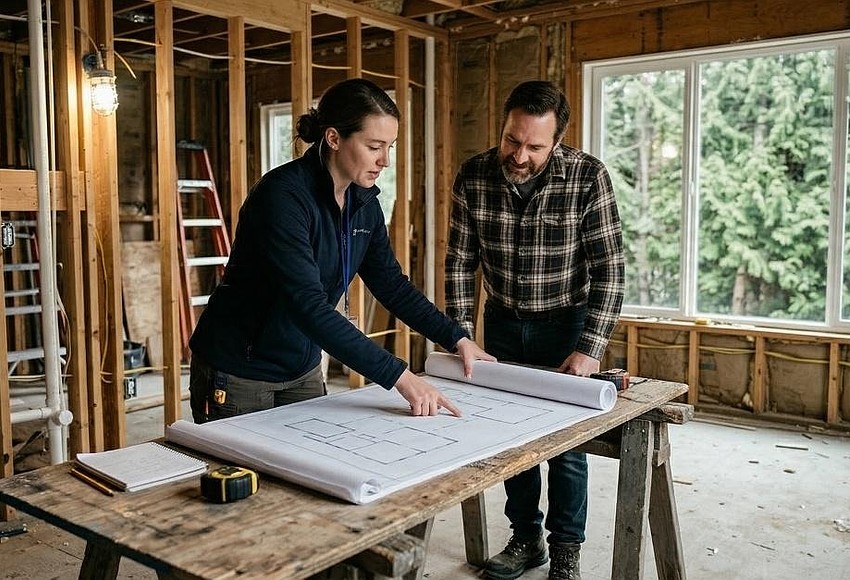
A well-planned home renovation improves comfort, functionality, and long-term property value. However, successful outcomes rarely happen by chance. They result from clear planning, realistic budgeting, and careful decision-making before any construction begins.
This guide explains practical steps homeowners can follow to manage renovations efficiently and avoid costly mistakes.
Define Your Renovation Goals Clearly 🎯
Start by identifying exactly what you want to improve.
Common renovation goals include:
- Increasing usable space
- Modernizing interiors
- Improving energy efficiency
- Fixing structural issues
- Enhancing resale value
Clear objectives help prioritize tasks and prevent unnecessary spending.
Set a Realistic Budget From the Beginning 💰
Budget planning determines the scope of your renovation.
Include these cost categories:
- Materials
- Labor charges
- Design services
- Permits and approvals
- Unexpected repairs
Always keep 10–20% contingency funds for surprises that often arise during renovation.
Prioritize Repairs Before Cosmetic Upgrades 🔍
Structural stability should always come first.
Focus on fixing:
- Plumbing leaks
- Electrical wiring problems
- Wall cracks
- Dampness issues
- Roof damage
Resolving these early prevents future complications and protects your investment.
Create a Practical Renovation Timeline 📅
A realistic timeline keeps the project organized.
Plan stages such as:
- Design finalization
- Material selection
- Contractor hiring
- Construction phases
- Final inspections
Avoid rushing decisions. Delays often occur when planning is incomplete.
Hire the Right Professionals for the Job 👷
Experienced professionals improve both quality and efficiency.
Consider working with:
- Architects for layout planning
- Interior designers for aesthetics
- Licensed electricians and plumbers
- Reliable contractors with verified experience
Always review previous work before finalizing agreements.
Choose Durable and Suitable Materials 🧱
Material selection affects both appearance and maintenance costs.
Look for materials that are:
- Moisture-resistant
- Easy to maintain
- Long-lasting
- Locally available
- Cost-effective
Avoid selecting materials based only on appearance.
Plan Functional Layout Improvements Carefully 📐
Layout changes can significantly improve daily comfort.
Popular improvements include:
- Opening kitchen-dining connections
- Adding storage spaces
- Creating work-from-home areas
- Improving ventilation pathways
- Enhancing natural lighting access
Smart layout planning increases both usability and property appeal.
Secure Required Permissions Before Starting 📄
Some renovations require approvals depending on the extent of changes.
Permissions may be needed for:
- Structural wall removal
- Plumbing relocation
- Electrical upgrades
- Exterior modifications
- Floor extensions
Completing documentation early avoids interruptions later.
Prepare for Temporary Living Adjustments 🚪
Renovation can disrupt daily routines.
Plan ahead by:
- Protecting furniture and appliances
- Setting temporary cooking arrangements
- Managing dust control measures
- Scheduling work during convenient hours
Preparation reduces stress during construction.
Monitor Work Progress Regularly 👀
Regular supervision ensures quality and accountability.
Important monitoring steps include:
- Checking material quality
- Confirming measurements
- Reviewing timelines weekly
- Tracking expenses carefully
- Communicating changes immediately
Consistent involvement helps prevent costly corrections later.
Focus on Energy Efficiency Improvements ⚡
Modern renovations often include efficiency upgrades.
Consider installing:
- LED lighting
- Insulated windows
- Water-saving fixtures
- Proper ventilation systems
- Reflective roofing solutions
These changes reduce long-term utility costs.
Plan Storage Solutions Early in the Design Stage 📦
Storage planning is often overlooked but essential.
Add storage through:
- Built-in wardrobes
- Kitchen overhead cabinets
- Under-stair storage units
- Wall-mounted shelves
- Multipurpose furniture spaces
Efficient storage improves organization and livability.
Track Expenses Throughout the Renovation 📊
Keeping financial records avoids budget overruns.
Maintain a simple system for:
- Vendor payments
- Material invoices
- Labor costs
- Unexpected repairs
- Design changes
Transparent tracking supports smarter decisions during the process.
Frequently Asked Questions (FAQs)
1. How long does a typical home renovation project take?
Project timelines vary depending on scope, but most moderate renovations take between 4 and 12 weeks.
2. Should I renovate the entire house at once or in phases?
Renovating in phases can reduce financial pressure and allow better planning between stages.
3. Is it necessary to move out during renovation work?
For minor renovations, staying at home is possible. Major structural upgrades may require temporary relocation.
4. What mistakes should homeowners avoid during renovation planning?
Common mistakes include underestimating costs, skipping approvals, choosing unsuitable materials, and rushing contractor selection.
5. How can I ensure renovation work stays within budget?
Set spending limits for each stage and monitor expenses weekly to avoid overspending.
6. When is the best time of year to start home renovation work?
Dry seasons are generally preferred because they reduce delays related to weather conditions.
7. Can renovation increase the resale value of a property significantly?
Yes. Improvements in kitchens, bathrooms, lighting, storage, and layout often create noticeable increases in buyer interest and property value.