
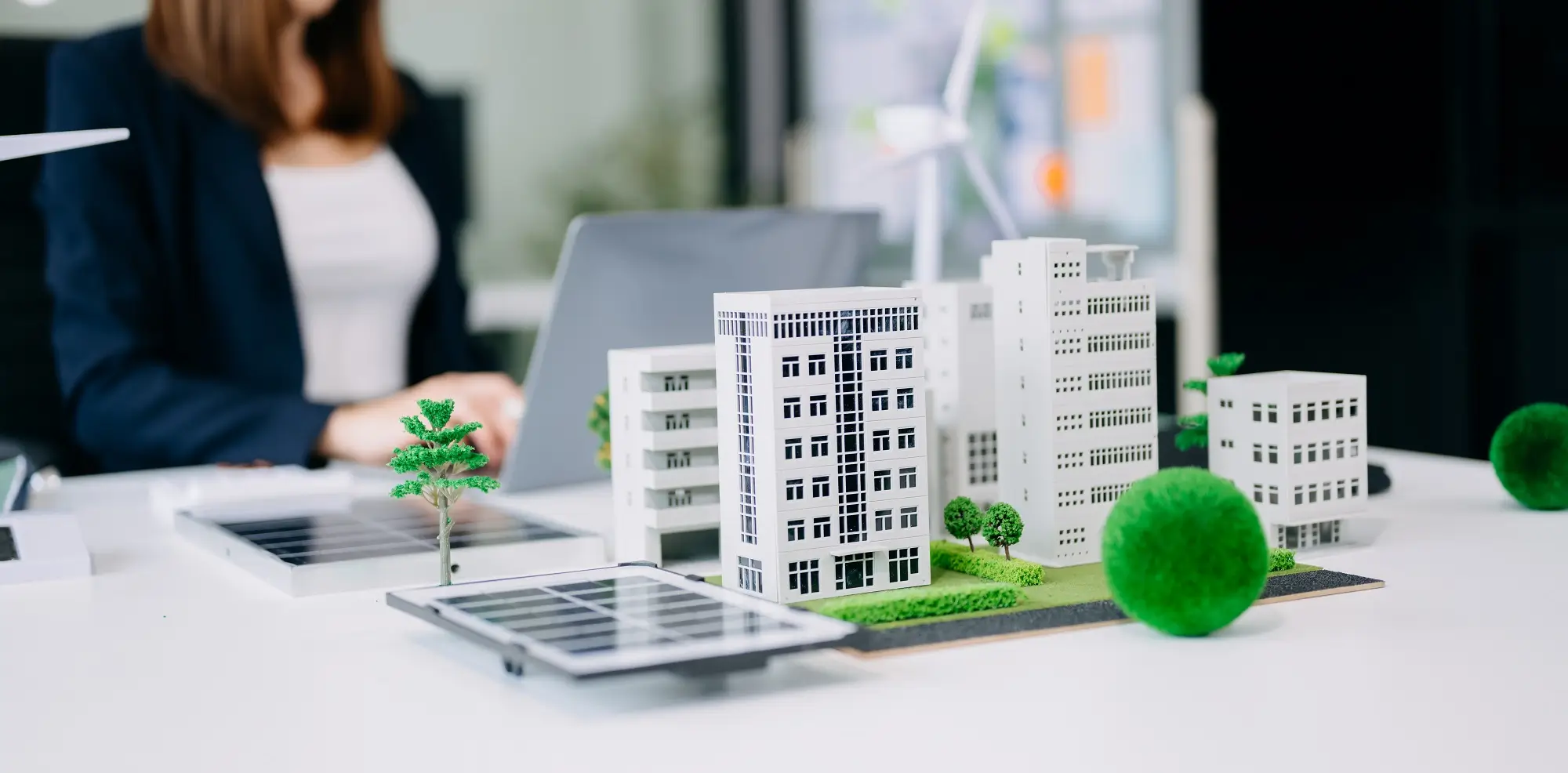
Sustainable buildings are much easier to deliver when environmental performance is considered from the beginning. Project teams preparing for TREES certification should treat the certification process as a design framework, not as a paperwork task added once construction decisions have already been made.
Late Planning Limits The Options
Many sustainability opportunities are created or lost early in a project. Building orientation, shading, glazing, cooling strategy, water efficiency, landscaping and material choices can all affect performance. If certification is only discussed after these decisions have been made, the team may have to work around limitations that could have been avoided.
Late changes are usually more expensive and less efficient. Adjusting a design after drawings are developed, suppliers are appointed or construction has started can create delays and tension between project teams. Early planning allows certification goals to be tested while the design is still flexible.
This does not mean every decision needs to be final from day one. It means the project should have a clear sustainability direction early enough for architects, engineers, consultants and the owner to make informed choices.
Certification Depends On Coordination
Green building certification is not controlled by one person or one discipline. Architects influence form, daylight and materials. Engineers influence energy, cooling, ventilation and water systems. Contractors influence installation quality, material sourcing and site practices. Owners influence budget, operation and long-term priorities.
If these teams work separately, certification can become difficult to manage. A design may appear strong in one area but create problems in another. For example, glass that improves views may increase cooling demand, or a material choice may look sustainable but be difficult to document properly.
Good coordination helps the team understand trade-offs. Certification should support better decisions, not simply reward isolated features. The strongest projects usually come from teams that discuss performance, buildability and evidence together.
Evidence Needs To Be Collected As The Project Develops
A building may include good sustainability features, but certification still requires proof. Drawings, specifications, calculations, product information, photographs, commissioning records and other documents may all be needed to show that requirements have been met.
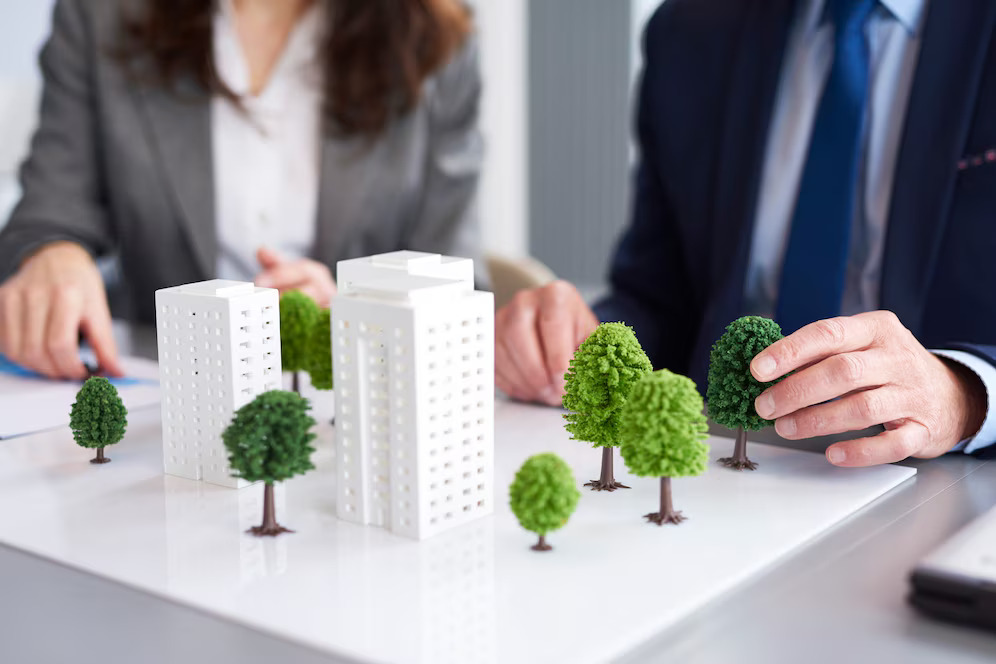
This is one of the main reasons early organisation matters. If evidence is collected throughout the project, the process is much easier to manage. If the team waits until the end, important information may be missing, suppliers may be harder to contact, and site conditions may no longer be easy to verify.
A clear documentation plan reduces stress later. Each party should understand what information they need to provide and when it will be required. This keeps certification aligned with the project rather than turning it into a last-minute scramble.
The Goal Should Be A Better Building
Certification has commercial value, but it should not be treated as a badge alone. The real value comes when the process helps create buildings that use resources more efficiently, feel better for occupants and perform more reliably after handover.
In Thailand, local climate and building operation are especially important. Cooling demand, humidity, daylight, material availability and long-term maintenance all need practical attention. A certification strategy should respond to the way the building will actually be used, not only how it appears in design documents.
When green building certification starts early, it can guide the whole project towards stronger outcomes. It gives teams a shared structure for making decisions, recording evidence and delivering a building that performs better in real use.