
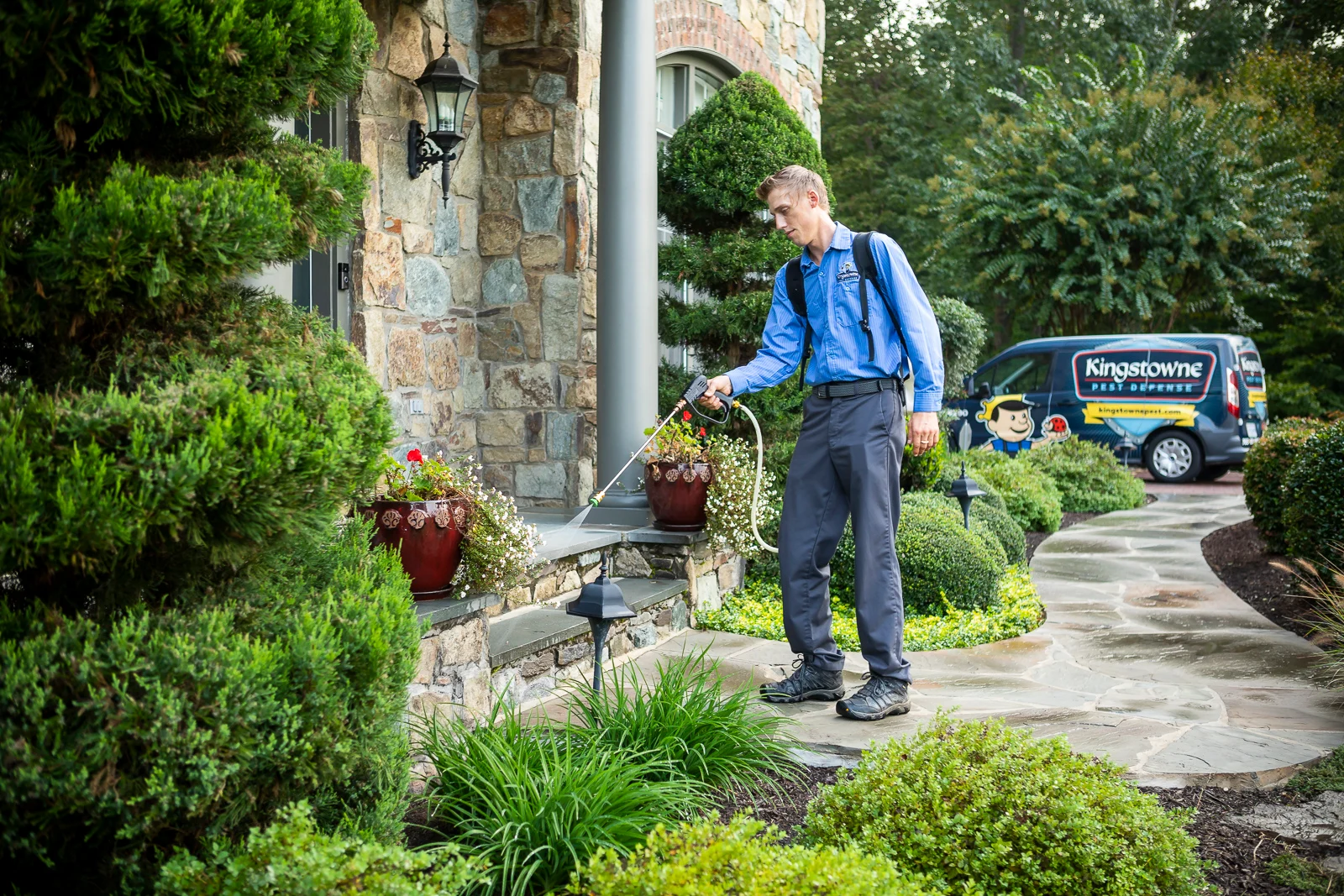
Many homeowners focus on keeping the inside of their homes clean while overlooking the condition of the yard. However, the outdoor environment plays a major role in effective pest control. A neglected yard can provide food, water, and shelter for many unwanted pests, increasing the chances that they will eventually enter the home. By maintaining the yard regularly, homeowners can reduce pest activity and create a cleaner, safer property.
The area surrounding a home is often the first place where pests settle. Tall grass, overgrown shrubs, fallen leaves, and piles of yard waste provide excellent hiding places for insects and rodents. Once these pests establish themselves outdoors, they have a much shorter distance to travel before finding ways inside the house.
Keeping the lawn properly maintained is one of the simplest ways to support pest control. Grass should be mowed regularly to prevent it from becoming too long. Overgrown lawns create cool, shaded areas where pests can hide during the day. A neat lawn also makes it easier to spot signs of pest activity around the property.
Shrubs, bushes, and trees should also be trimmed on a regular basis. Branches that touch the roof or walls of the home can act as pathways for pests. Keeping plants well-trimmed creates open space around the house and makes it more difficult for pests to move from the yard into the building.
Homeowners can improve yard pest control by following these simple practices:
- Trim grass, bushes, and tree branches regularly.
- Remove piles of leaves, branches, and other yard debris.
- Keep firewood and stored materials away from the home’s exterior walls.
Standing water is another common attraction for pests. Water can collect in flower pots, buckets, clogged gutters, birdbaths, or low areas of the yard after rainfall. These damp locations provide favorable conditions for many insects. Emptying unnecessary containers and improving drainage helps eliminate excess moisture around the property.
Leaves and yard waste should never be allowed to accumulate for long periods. Piles of leaves create shelter for pests and may trap moisture, making the area even more attractive. Raking leaves regularly and disposing of yard waste promptly helps maintain a cleaner outdoor environment.
Firewood storage is another important consideration. Stacking firewood directly against the house creates an ideal hiding place for insects and rodents. Firewood should be stored on a raised platform and placed several feet away from the home’s exterior whenever possible. This simple adjustment helps reduce the risk of pests moving from the woodpile into the house.
Outdoor garbage bins also require regular attention. Trash containers should always have secure lids and should be cleaned occasionally to remove food residue. Overflowing garbage or uncovered waste attracts pests and encourages them to remain close to the home.
Garden maintenance contributes to pest control as well. Fallen fruits, vegetables, or plant debris should be removed promptly because they can attract insects searching for food. Keeping garden beds clean and healthy reduces unwanted pest activity while improving the appearance of the yard.
Walkways, patios, and driveways should be swept regularly to remove leaves, dirt, and organic debris. These areas often collect materials that provide shelter for insects if left undisturbed. Routine cleaning helps maintain a tidy outdoor space while supporting pest prevention.
The home’s foundation should also be inspected during yard maintenance. Small cracks or gaps may develop over time, providing entry points for pests. Sealing these openings before pests discover them is an important part of a complete pest control strategy.
Outdoor lighting deserves some attention as well. Bright lights near doors and windows may attract insects during the evening. Keeping entry areas clean and checking them regularly helps reduce the likelihood of pests entering the home through frequently used doors.
Routine inspections of the yard allow homeowners to identify problems before they become serious. Looking for damaged fences, overgrown vegetation, standing water, or signs of pest activity every few weeks helps maintain a healthier outdoor environment and reduces the chances of pests reaching the house.
In conclusion, a well-maintained yard is an important part of effective pest control. Regular lawn care, proper landscaping, moisture management, organized storage, and routine inspections all help reduce outdoor pest populations. By caring for the yard throughout the year, homeowners create a stronger barrier against unwanted pests and enjoy a cleaner, healthier, and more attractive home environment.