
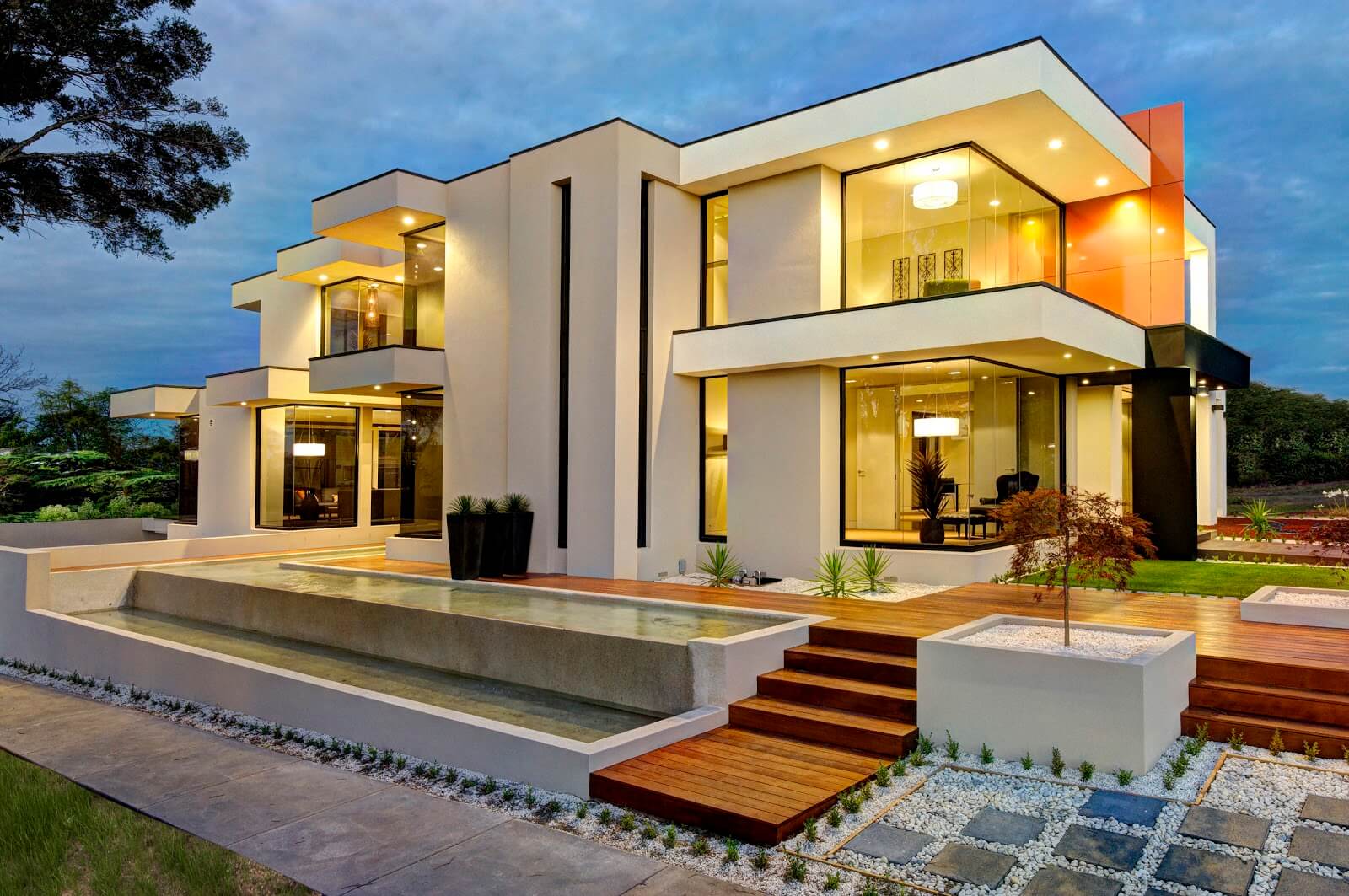
Designing a dream home from scratch is one of the most rewarding projects you can undertake. It allows you to shape every detail—from layout and lighting to materials and lifestyle comfort—according to your needs. A well-planned approach ensures your home is functional, beautiful, energy-efficient, and future-ready.
This guide walks through the essential steps to help you design a home that reflects your personality while remaining practical and sustainable. 🏡
Define Your Vision and Lifestyle Needs
Before sketching layouts or choosing materials, start by identifying how you want your home to function daily.
Ask yourself:
- How many bedrooms and bathrooms are required?
- Do you need a home office or study area?
- Will elderly family members require accessibility features?
- Do you prefer open-plan or traditional room layouts?
- Is outdoor space important?
Clarifying these priorities helps shape a layout that supports your routine rather than limiting it.
Set a Realistic Budget Early
Budget planning prevents costly surprises later in construction.
Include estimates for:
- Land purchase (if applicable)
- Architectural design fees
- Construction materials
- Labor costs
- Interior finishing
- Permits and approvals
- Landscaping and utilities
Always keep 10–15% contingency funds for unexpected expenses.
Choose the Right Location
Location plays a major role in comfort, safety, and property value.
Consider:
- Access to schools, hospitals, and markets
- Transportation connectivity
- Noise levels and surroundings
- Future development potential
- Availability of water and electricity
A good location supports both lifestyle convenience and long-term investment value.
Work with the Right Professionals
Building a custom home requires collaboration with experienced experts.
Key professionals include:
- Architect
- Structural engineer
- Interior designer
- Contractor
- Landscape planner
An architect helps translate your ideas into workable plans while ensuring structural safety and compliance with local regulations.
Plan an Efficient Floor Layout
Smart layouts improve movement, comfort, and usability inside the home.
Design tips:
- Place living areas where natural light is strongest
- Keep kitchens close to dining areas
- Separate private and social spaces
- Ensure proper ventilation in all rooms
- Include adequate storage spaces
Efficient layouts reduce wasted space and improve everyday living comfort.
Focus on Natural Light and Ventilation
Homes designed with proper airflow and sunlight feel healthier and more welcoming.
Strategies include:
- Large windows facing open directions
- Skylights for interior brightness
- Cross-ventilation planning
- Courtyard concepts for airflow
Natural lighting also reduces electricity usage during daytime hours. 🌞
Select Durable and Sustainable Materials
Material choices influence maintenance costs and long-term performance.
Popular durable options:
- Reinforced concrete structures
- Energy-efficient glass windows
- Moisture-resistant flooring
- Weather-resistant exterior finishes
Eco-friendly materials such as fly-ash bricks or recycled wood improve sustainability without compromising quality.
Design Functional Kitchen and Storage Areas
A well-planned kitchen increases convenience and efficiency.
Consider:
- Work triangle layout (sink, stove, refrigerator)
- Adequate counter space
- Pantry storage
- Ventilation and chimney placement
- Easy movement between zones
Storage planning throughout the house prevents clutter and improves organization.
Plan Smart Electrical and Lighting Layouts
Electrical planning should happen early in the design stage.
Include:
- Sufficient power outlets
- Layered lighting (ambient, task, accent)
- Backup power solutions
- Smart lighting compatibility
- Outdoor lighting provisions
Future-ready electrical planning reduces renovation needs later.
Add Outdoor Living Spaces
Outdoor areas enhance relaxation and property value.
Options include:
- Balcony seating spaces
- Garden areas
- Rooftop terraces
- Courtyards
- Verandas
Even small outdoor spaces improve airflow and visual openness. 🌿
Prioritize Energy Efficiency
Energy-efficient homes reduce monthly utility expenses and environmental impact.
Simple upgrades:
- Solar panels
- Insulated roofing
- LED lighting systems
- Energy-efficient windows
- Rainwater harvesting systems
These features make your home more sustainable over time.
Design for Future Flexibility
A dream home should adapt as your lifestyle evolves.
Plan for:
- Expandable rooms
- Multipurpose spaces
- Elder-friendly access options
- Workspace adaptability
- Extra storage potential
Flexible planning ensures your home remains comfortable for years ahead.
Balance Aesthetics with Practicality
Beautiful homes should also be easy to maintain.
Keep in mind:
- Choose timeless exterior designs
- Avoid overly complex layouts
- Use easy-maintenance finishes
- Maintain harmony between interior themes
A balanced approach ensures lasting satisfaction with your design choices.
Frequently Asked Questions (FAQs)
1. How long does it usually take to design a house from scratch?
The design phase typically takes 4 to 12 weeks, depending on complexity, revisions, and approval processes.
2. Should I finalize interior planning before construction begins?
Yes. Early interior planning helps position electrical points, plumbing lines, and storage areas correctly.
3. Is it better to design a single-floor or multi-floor home?
This depends on land size, family needs, and budget. Smaller plots often benefit from multi-floor designs.
4. Can I modify the house design after construction starts?
Minor adjustments are possible, but major structural changes can increase costs and delay timelines.
5. What approvals are usually required before construction begins?
Most regions require building plan approval from local authorities along with zoning and structural safety clearances.
6. How important is soil testing before construction?
Soil testing ensures foundation strength and helps engineers determine the correct structural design approach.
7. Should landscaping be planned during the design stage or after construction?
It is best planned early so drainage systems, pathways, and outdoor lighting integrate smoothly with the house layout.