
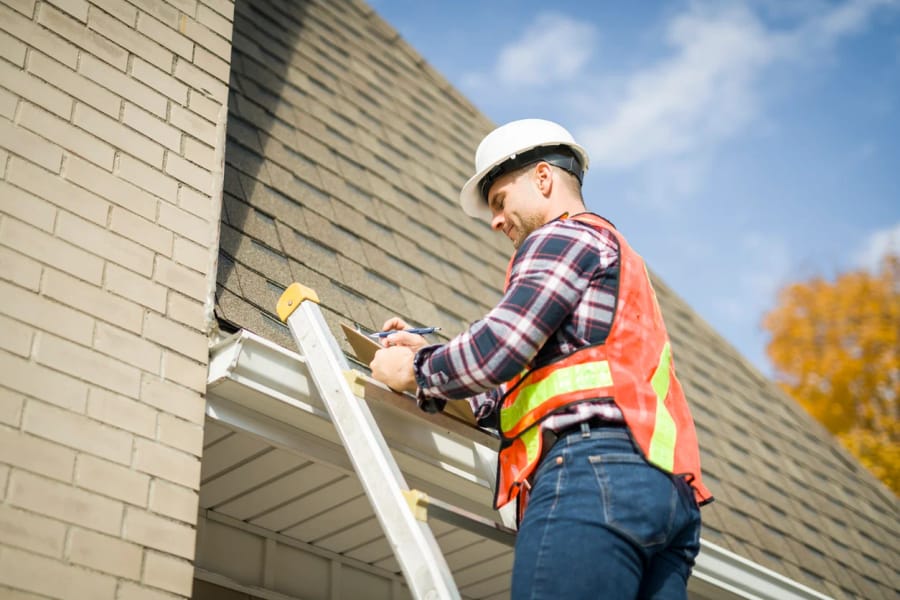
Industrial buildings across Perth face harsh weather conditions year-round. Intense summer heat, sudden storms, and salt-laden coastal winds all put pressure on roofing systems. Regular professional roof inspections help owners catch small problems before they turn into expensive repairs. When it comes to Perth industrial roofing, prevention always costs less than reaction.
Many building owners only think about their roof when a leak appears. By then, water has often caused damage to insulation, ceilings, and stored goods below. A trained inspector spots early warning signs that go unnoticed from the ground. This proactive approach protects both the structure and the operations happening inside it. For anyone managing Perth industrial roofing, scheduled checks are a sensible part of good facility management.
Large industrial roofs carry unique risks. Their flat or low-slope designs can trap water, and their size means minor faults spread quickly if ignored. Perth industrial roofing systems also expand and contract with temperature swings, which loosens fixings and seals over time. Professional inspectors understand these behaviours and know exactly where faults tend to develop.
What a Professional Inspection Covers
A thorough inspection looks at far more than the surface. Inspectors examine flashings, seams, drainage points, fasteners, and any signs of corrosion. They check for ponding water, which weakens the roof membrane and encourages leaks. Skylights, vents, and rooftop equipment are also assessed, since these fixtures often create weak points.
Inspectors also look inside the building. Water stains, mould, and rust on internal beams point to hidden roof problems. Combining internal and external checks gives a complete picture of the roof’s health.
Why Regular Inspections Matter
Australia’s climate demands attention to roofing durability. In Perth, the mix of extreme heat and heavy winter rain accelerates wear. Metal roofing, common on industrial sites, can suffer from corrosion and thermal stress. Without regular checks, these issues build up silently until failure occurs.
Routine inspections extend the life of a roof, sometimes by many years. They also help owners plan maintenance budgets rather than facing sudden emergency costs. Insurance providers often expect evidence of regular upkeep, and a documented inspection history supports any future claim.
Safety is another reason to stay on top of inspections. A failing roof puts workers, equipment, and inventory at risk. Falling debris, structural weakness, and water damage can all lead to injuries or costly downtime.
Timing and Frequency
Most industrial roofs benefit from an inspection at least twice a year, ideally before and after the harshest seasons. Checking before summer prepares the roof for extreme heat, while a post-winter inspection reveals any storm damage. Inspections should also follow severe weather events, such as strong winds or hail.
A well-maintained roof supports the smooth running of any industrial site. Professional inspections give owners clear information about their building’s condition and the confidence to act early. In a climate as demanding as Perth’s, treating roof care as routine maintenance protects assets, people, and long-term operating costs. Regular attention today prevents major disruption tomorrow.