
Starting with small home improvement projects is one of the most practical ways to build confidence, save money, and make your living space more comfortable. You don’t need advanced skills or expensive equipment to begin—just the right mindset, a few essential tools, and clear step-by-step plans.
This guide introduces beginner-friendly projects that are safe, affordable, and achievable within a weekend. Each task improves your home while helping you develop real hands-on skills. 🧰
Why Start DIY Home Improvement as a Beginner?
Simple projects help you understand how your home functions and reduce dependence on outside help for minor repairs.
Key benefits include:
- Saving money on labor costs
- Building practical problem-solving skills
- Increasing home value gradually
- Personalizing your space creatively
- Gaining confidence with tools
Starting small prevents frustration and makes learning enjoyable.
Essential Tools Every Beginner Should Have 🔧
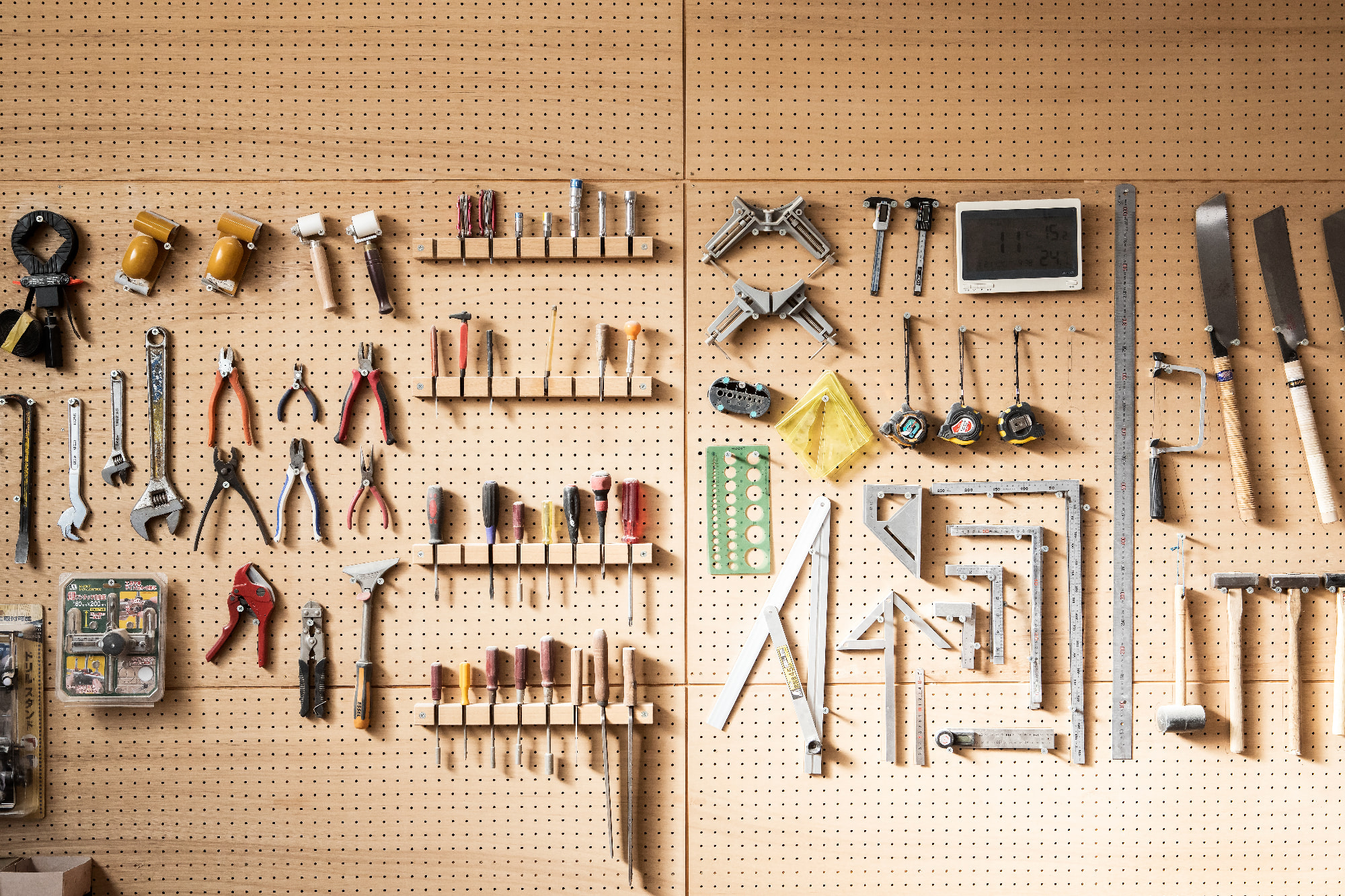
Before beginning any project, gather a few basic tools. These cover most entry-level improvements.
Starter toolkit checklist:
- Claw hammer
- Screwdriver set (flathead and Phillips)
- Measuring tape
- Adjustable wrench
- Spirit level
- Utility knife
- Electric drill (entry-level)
Investing in quality basics makes future projects easier and safer.
Project 1: Painting an Accent Wall 🎨
Painting is one of the simplest and most satisfying DIY upgrades.
What you need:
- Painter’s tape
- Roller and tray
- Brush for edges
- Drop cloth
- Interior paint
Steps to follow:
- Clean the wall surface.
- Tape edges and trim carefully.
- Apply primer if needed.
- Roll paint evenly in sections.
- Let dry and apply a second coat if required.
A single accent wall can dramatically change the mood of a room.
Project 2: Installing Floating Shelves
Floating shelves add storage and style without taking up floor space.
Materials required:
- Shelf brackets
- Wall anchors
- Screws
- Level
- Drill
Installation tips:
- Always check wall studs before drilling
- Use anchors for drywall support
- Confirm alignment with a level before tightening screws
This project improves organization instantly and looks professional when done correctly.
Project 3: Replacing Cabinet Handles and Knobs
Updating cabinet hardware is a quick transformation with minimal effort.
Why this project works well for beginners:
- No electrical work required
- Takes less than an hour
- Requires only a screwdriver
Steps:
- Remove existing handles
- Align new hardware
- Tighten screws securely
- Check alignment consistency
Even a small change like this refreshes kitchens and bathrooms noticeably.
Project 4: Sealing Drafty Windows and Doors ❄️
Air leaks increase energy bills and reduce comfort.
Simple sealing solutions include:
- Weatherstripping tape
- Door sweeps
- Caulking gaps
- Foam sealant for larger spaces
This upgrade improves insulation and reduces noise while saving energy costs.
Project 5: Installing a New Showerhead 🚿
Replacing a showerhead improves water pressure and efficiency.
Tools needed:
- Adjustable wrench
- Thread seal tape
- New showerhead
Quick installation process:
- Unscrew the old unit
- Clean pipe threads
- Wrap thread seal tape
- Install the new showerhead
- Tighten gently and test
It’s a simple upgrade that makes daily routines more comfortable.
Project 6: Creating a Simple Entryway Organizer
An entryway organizer keeps everyday items accessible and tidy.
You can include:
- Wall hooks
- Small shelf
- Mail holder
- Key rack
This project improves both organization and functionality near your home’s entrance.
Safety Tips Every Beginner Should Follow ⚠️
Safety always comes first, even with small projects.
Important precautions:
- Wear protective gloves when needed
- Turn off electricity before electrical tasks
- Use proper ladder positioning
- Measure twice before drilling
- Keep tools organized while working
Taking a few precautions prevents costly mistakes and injuries.
Budget Planning for DIY Projects 💰
Many beginners assume home improvement requires large investments. In reality, smart planning keeps costs manageable.
Helpful budgeting strategies:
- Start with one room at a time
- Reuse materials where possible
- Borrow tools for occasional use
- Compare hardware store prices
- Choose quality over quantity
Small upgrades completed consistently create noticeable long-term improvement.
Common Beginner Mistakes to Avoid
Avoiding typical errors helps projects go smoothly.
Watch out for these pitfalls:
- Skipping surface preparation before painting
- Using incorrect wall anchors
- Measuring only once instead of twice
- Buying tools before planning the project
- Rushing drying times between coats
Patience leads to cleaner results and fewer repairs later.
How to Choose the Right First Project
Selecting the right starting point makes learning enjoyable instead of overwhelming.
Best beginner project characteristics:
- Requires minimal tools
- Takes under one day
- Has clear instructions
- Involves low safety risk
- Produces visible improvement
Painting, hardware replacement, and shelving are excellent entry points.
Frequently Asked Questions (FAQs)
1. How much should a beginner budget for their first DIY project?
Most entry-level projects can be completed within a modest budget, especially if you already own basic tools. Starting small keeps expenses manageable.
2. Is it necessary to buy expensive tools when starting out?
No. Basic, reliable tools are enough for beginner projects. Upgrade equipment gradually as your skills expand.
3. How can I avoid damaging walls while drilling?
Use the correct drill bit, check for studs beforehand, and measure carefully before making holes.
4. How long does it take to complete a typical beginner DIY project?
Many beginner-friendly upgrades take between one hour and one weekend depending on preparation and drying time.
5. Can DIY projects increase property value?
Yes. Even small improvements like shelving, updated hardware, and fresh paint contribute to better presentation and appeal.
6. What should I do if a project doesn’t go as planned?
Pause, review instructions, and correct the issue step by step. Most beginner mistakes are easy to fix with patience.
7. Which room is best to start DIY improvements in?
Living rooms, bedrooms, and entryways are ideal starting points because they involve simpler upgrades compared to kitchens or bathrooms.