
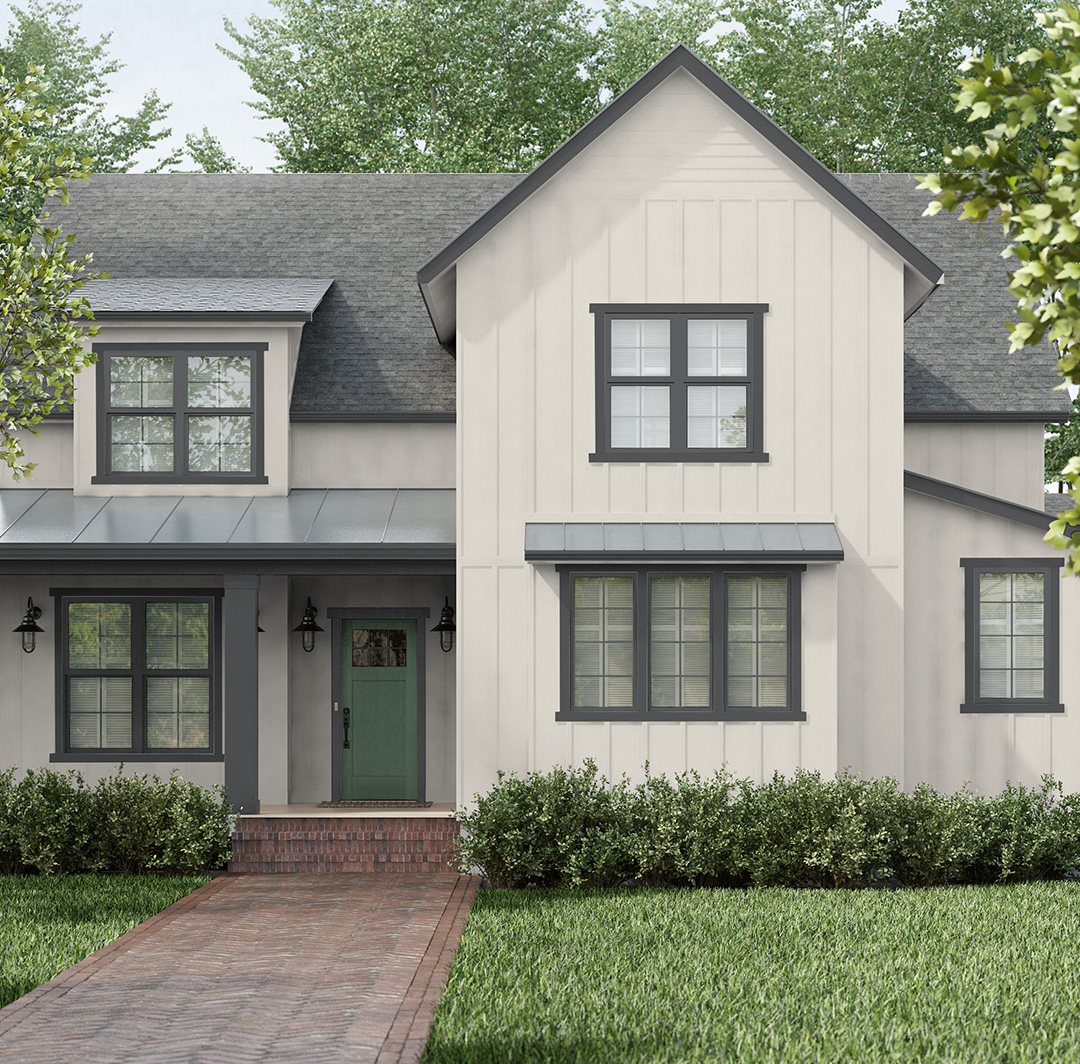
Choosing the right exterior color combination is one of the most important decisions in home design. Exterior colors influence first impressions, property value, neighborhood harmony, and long-term visual appeal. A well-balanced palette enhances architectural features while ensuring the home looks timeless rather than trend-dependent.
This guide explores exterior color combinations that consistently work across different architectural styles and climates.
Why Exterior Color Combinations Matter
Exterior color planning affects more than appearance. It contributes to durability perception, design identity, and environmental response.
Strong color combinations help:
- Highlight architectural elements
- Improve curb appeal
- Blend homes with surroundings
- Maintain long-term visual relevance
- Increase resale attractiveness
A thoughtful palette ensures your home looks intentional and cohesive from every angle.
Classic White and Grey Combination 🤍
White paired with grey is one of the most reliable exterior palettes because it balances brightness with structure.
Why it works well:
- White reflects sunlight effectively
- Grey adds contrast without harshness
- Suitable for both modern and traditional homes
- Works across urban and suburban settings
Best applications include:
- White main walls with grey trims
- Grey roofing with white façades
- Light grey walls with charcoal accents
This pairing delivers a clean, elegant, and universally appealing exterior look.
Beige and Brown for Warmth and Comfort 🟤
Beige and brown combinations create a welcoming appearance that blends naturally with landscapes.
Advantages include:
- Earth-toned harmony with surroundings
- Reduced dust visibility in dry regions
- Comfortable visual warmth
- Compatibility with stone or wood textures
Ideal usage examples:
- Beige walls with dark brown windows
- Cream façades with wooden finishes
- Sand-toned surfaces with chocolate trims
This palette works especially well in regions with strong sunlight.
Blue and White for Fresh Coastal Appeal 🌊
Blue combined with white creates a refreshing and airy exterior that suits both compact and spacious homes.
Benefits include:
- High visual contrast without heaviness
- Bright daytime appearance
- Calm and relaxing impression
- Strong compatibility with modern architecture
Effective combinations include:
- Soft blue walls with white trims
- Navy accents with off-white façades
- Light blue balconies with neutral base tones
This palette works beautifully in homes designed for openness and ventilation.
Grey and Yellow for Contemporary Character 🌟
Grey paired with yellow creates a modern exterior that feels energetic yet controlled.
Why homeowners prefer this combination:
- Grey stabilizes the brightness of yellow
- Yellow highlights architectural features
- Works well with minimalist designs
- Creates standout curb appeal
Common uses include:
- Grey base with mustard accent panels
- Light grey walls with yellow entry highlights
- Charcoal trims with soft pastel yellow surfaces
This pairing offers a balanced mix of subtlety and personality.
Cream and Terracotta for Traditional Elegance 🧱
Cream and terracotta combinations remain popular because they reflect timeless architectural influences.
Strengths of this palette:
- Warm regional character
- Compatibility with tiled roofs
- Excellent performance in sunny climates
- Soft visual contrast
Typical implementations:
- Cream walls with terracotta roof tiles
- Earth-toned trims around windows
- Clay-inspired accent textures
This combination creates a grounded and culturally familiar appearance.
Black, White, and Wood for Modern Sophistication 🪵
A three-tone palette combining black, white, and natural wood textures produces a refined contemporary exterior.
Why it stands out:
- Black adds strong definition
- White keeps surfaces visually open
- Wood introduces warmth and texture
Best design strategies include:
- White primary walls
- Black window frames or railings
- Wooden cladding accents
This combination works especially well for modern urban homes.
Green and Off-White for Nature-Inspired Calm 🌿
Green tones paired with off-white create a soothing connection between the home and its surroundings.
Advantages include:
- Natural landscape integration
- Relaxing visual tone
- Reduced glare in bright climates
- Compatibility with garden-focused homes
Suggested combinations:
- Sage green walls with ivory trims
- Olive accents with neutral base tones
- Moss green features with white borders
This palette is ideal for homes surrounded by vegetation.
Tips for Choosing the Right Exterior Color Combination
Selecting the right palette involves more than personal preference.
Important considerations include:
- Local climate and sunlight exposure
- Roofing material color
- Neighborhood architectural context
- Maintenance requirements
- Dust visibility over time
Testing sample shades on small wall sections helps ensure the final choice looks correct in natural lighting.
Frequently Asked Questions (FAQs)
1. How many exterior colors should a house typically have?
Most homes look balanced with two or three coordinated shades, including a base color, trim color, and accent tone.
2. Do lighter exterior colors last longer than darker ones?
Lighter shades generally fade less visibly over time, especially in regions with strong sunlight.
3. Should exterior paint match roof color?
It does not need to match exactly, but it should complement the roof tone for a cohesive appearance.
4. Are dark exterior colors suitable for hot climates?
They can be used carefully as accents, but lighter shades are usually better for reflecting heat.
5. Can exterior colors affect property resale appeal?
Yes. Neutral and timeless palettes often attract more potential buyers.
6. How often should exterior paint be refreshed?
Most exterior finishes remain effective for five to ten years depending on weather exposure and paint quality.
7. Is it important to test paint samples before final selection?
Yes. Viewing samples under natural daylight helps confirm how colors appear at different times of the day.