
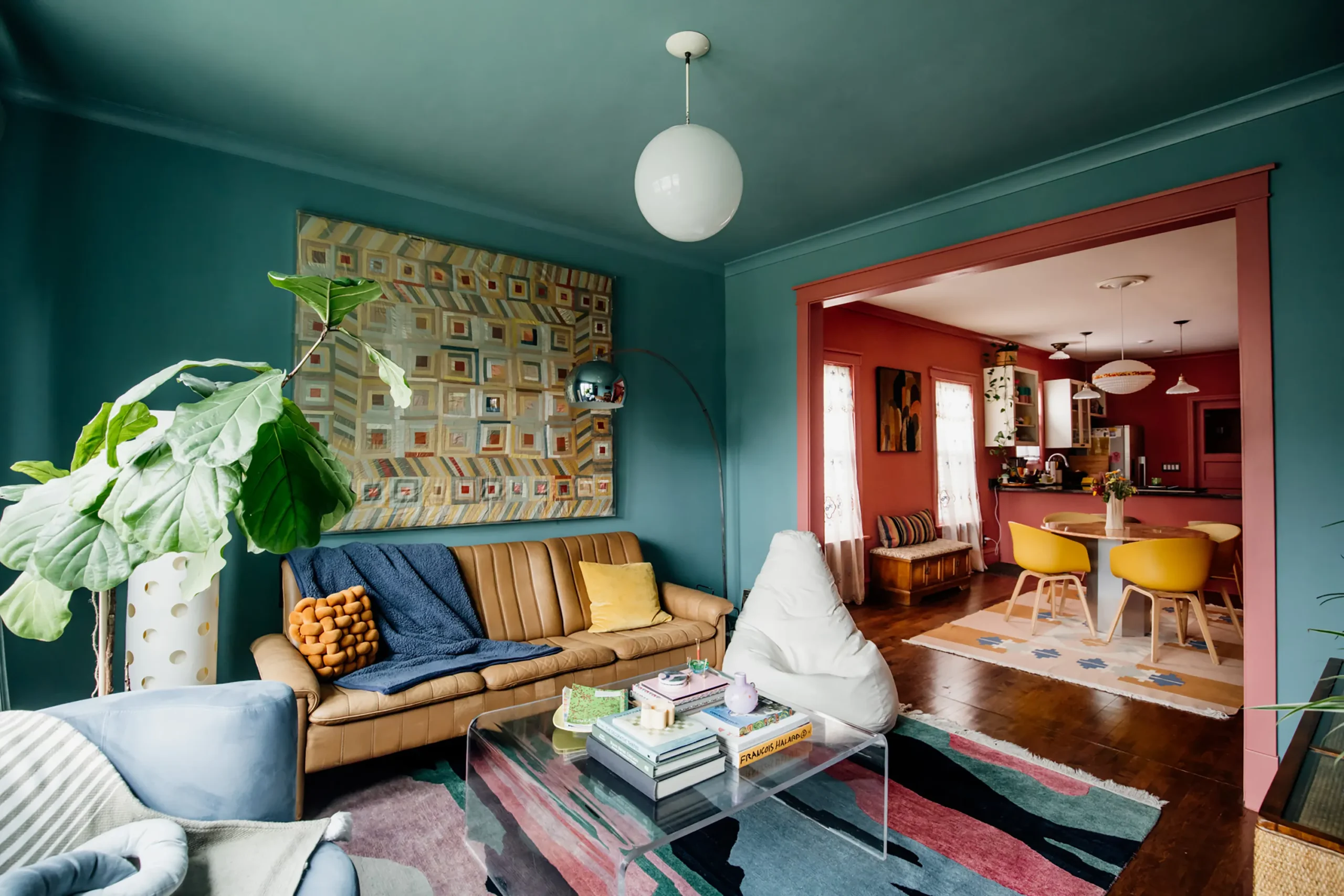
Color does more than decorate a space—it shapes how people feel, behave, and interact within their homes. Thoughtful color choices can make rooms appear larger, calmer, warmer, or more energetic. This is why color psychology plays a central role in effective home decor planning.
Understanding how colors influence mood helps homeowners create spaces that are both visually appealing and emotionally supportive.
What Is Color Psychology in Home Decor?
Color psychology refers to how different shades influence human emotions, perception, and behavior. In home interiors, it helps determine whether a space feels relaxing, lively, welcoming, or focused.
Designers use color strategically to:
- Influence mood and comfort
- Adjust perceived room size
- Improve productivity or relaxation
- Highlight architectural features
- Support lifestyle needs within each room
Selecting the right palette ensures interiors feel intentional rather than accidental.
Why Color Choices Matter in Interior Spaces
Color affects both visual balance and emotional response. Even subtle shade variations can change how a room is experienced.
Key impacts include:
- Bright tones can energize a space
- Soft hues promote calmness
- Dark shades create intimacy
- Neutral palettes support flexibility
Choosing colors thoughtfully ensures each area of the home supports its purpose.
Warm Colors and Their Psychological Effects 🔶
Warm tones create an atmosphere of comfort, energy, and sociability. These colors are often used in areas where people gather and interact.
Common warm shades include:
- Red
- Orange
- Yellow
- Terracotta
- Warm beige
Psychological effects:
- Encourage conversation
- Increase perceived warmth
- Add visual vibrancy
- Stimulate appetite and activity
Best suited for:
- Living rooms
- Dining spaces
- Entryways
- Kitchens
Used in moderation, warm tones make interiors feel welcoming rather than overwhelming.
Cool Colors and Their Calming Influence 🌿
Cool colors create a sense of calmness, clarity, and relaxation, making them ideal for restful spaces.
Popular cool tones include:
- Blue
- Green
- Lavender
- Soft grey
- Aqua
Psychological effects:
- Reduce stress levels
- Support mental focus
- Improve sleep comfort
- Enhance spaciousness perception
Best suited for:
- Bedrooms
- Study rooms
- Bathrooms
- Meditation areas
These shades help create peaceful environments that promote emotional balance.
Neutral Colors for Versatility and Balance 🤍
Neutral tones act as a flexible foundation for interior design. They support both minimal and layered decorating styles.
Common neutral shades include:
- White
- Beige
- Cream
- Grey
- Taupe
Benefits of neutral palettes:
- Make rooms appear larger
- Reflect natural light effectively
- Blend easily with accent colors
- Support timeless aesthetics
Neutral interiors remain adaptable as decor trends change over time.
Accent Colors and Visual Interest
Accent colors introduce personality without overwhelming a space. They are often applied through smaller elements rather than entire walls.
Examples include:
- Cushions
- Artwork
- Rugs
- Feature walls
- Decorative furniture pieces
Accent tones help create contrast, rhythm, and focal points within interiors.
Choosing the Right Colors for Each Room 🏡
Different rooms serve different purposes, so color selection should reflect their function.
Suggested approaches:
Living room
- Warm neutrals with accent tones for comfort and interaction
Bedroom
- Soft blues, greens, or muted earth tones for relaxation
Kitchen
- Light yellows or whites for brightness and cleanliness
Bathroom
- Cool tones for freshness and calmness
Home office
- Balanced neutrals with subtle greens or blues for focus
Room-based planning ensures color enhances both function and mood.
The Role of Natural Light in Color Selection ☀️
Lighting significantly affects how colors appear throughout the day. The same shade can look different depending on sunlight exposure.
Important considerations include:
- North-facing rooms benefit from warmer tones
- South-facing rooms handle cooler tones well
- Artificial lighting alters shade perception
- Gloss levels influence reflection intensity
Testing paint samples under real lighting conditions improves final results.
Cultural Influences on Color Preferences
Color meanings vary across regions and traditions. Cultural associations often shape personal comfort with certain palettes.
Examples include:
- White symbolizing simplicity and purity
- Red representing celebration or energy
- Green reflecting nature and renewal
- Blue suggesting calmness and stability
Understanding cultural context helps create interiors that feel meaningful and familiar.
Frequently Asked Questions (FAQs)
1. Can color psychology affect productivity at home?
Yes. Shades like soft blue and muted green support concentration and reduce mental fatigue, making them suitable for study areas and workspaces.
2. How many colors should be used in one room?
A balanced approach usually includes one dominant color, one secondary shade, and one accent tone to maintain harmony.
3. Do darker colors make rooms feel smaller?
Darker shades can create intimacy, but when combined with proper lighting and contrast elements, they can still feel spacious and elegant.
4. Are pastel shades suitable for modern interiors?
Yes. Pastels work well in contemporary homes when paired with neutral furniture and clean-lined layouts.
5. How often should wall colors be updated?
Most interiors benefit from repainting every five to seven years, depending on wear, exposure to sunlight, and changing design preferences.
6. Can bold colors be used in small spaces?
Yes. Bold tones can enhance character in smaller rooms when balanced with lighter surrounding elements.
7. What is the safest color choice for long-term interior design flexibility?
Neutral shades like beige, soft grey, and off-white remain versatile and allow easy updates through accessories and furnishings.