
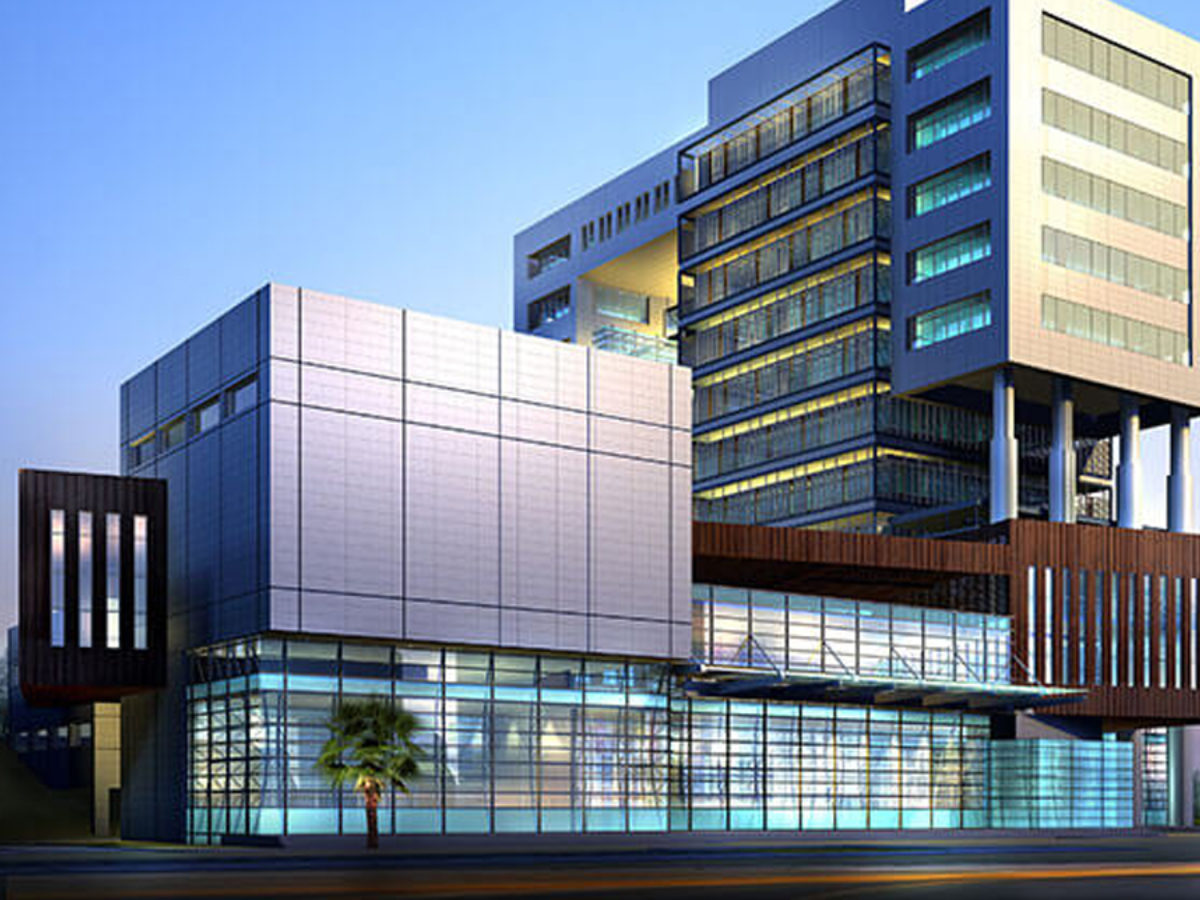
Architecture reflects how people live, think, and interact with their surroundings. The debate between traditional architecture and modern architecture continues because each approach offers distinct strengths shaped by culture, technology, and lifestyle needs. Rather than declaring one universally superior, understanding their differences helps homeowners, planners, and designers choose what suits their goals best.
This article explores both styles in depth and compares their advantages across aesthetics, sustainability, cost, and functionality.
Understanding Traditional Architecture
Traditional architecture refers to design methods rooted in local culture, climate, craftsmanship, and historical building practices. These structures often reflect regional identity and community values.
Typical characteristics include:
- Use of locally available materials
- Climate-responsive layouts
- Decorative craftsmanship
- Symmetrical planning
- Cultural symbolism in design
Examples include courtyard homes, stone-built dwellings, and timber-framed houses shaped by regional traditions.
Understanding Modern Architecture
Modern architecture focuses on simplicity, innovation, and functional efficiency. It developed alongside industrial progress and continues evolving with new materials and construction technologies.
Common features include:
- Clean geometric forms
- Minimal ornamentation
- Open interior layouts
- Large glass surfaces
- Integration of smart technology
Modern buildings often prioritize flexibility and adaptability for contemporary lifestyles.
Design Philosophy: Heritage vs Innovation
One of the biggest differences lies in the design mindset behind each style.
Traditional architecture emphasizes:
- Cultural continuity
- Craft-based construction
- Regional identity
- Long-standing spatial traditions
Modern architecture emphasizes:
- Efficiency and performance
- Simplicity of form
- Technological integration
- Future-oriented planning
Choosing between them often depends on whether the goal is preserving identity or embracing innovation.
Materials Used in Construction 🧱
Material selection strongly shapes the character and performance of buildings.
Traditional architecture typically uses:
- Stone
- Clay bricks
- Timber
- Lime plaster
- Natural roofing materials
Modern architecture commonly uses:
- Reinforced concrete
- Steel
- Glass
- Engineered composites
- Sustainable manufactured panels
Traditional materials offer warmth and authenticity, while modern materials enable structural flexibility and speed of construction.
Climate Responsiveness and Comfort 🌿
Traditional buildings were often designed with climate sensitivity long before mechanical cooling systems existed.
Examples include:
- Thick walls for insulation
- Courtyards for airflow
- Shaded verandas
- Sloped roofs for rainfall management
Modern architecture improves comfort through:
- Advanced insulation systems
- Mechanical ventilation
- Energy-efficient glazing
- Smart climate control technologies
Both approaches can perform well when adapted properly to local conditions.
Construction Cost and Maintenance Considerations 💰
Budget plays an important role in architectural decisions.
Traditional architecture may involve:
- Skilled craftsmanship costs
- Longer construction timelines
- Lower long-term cooling expenses in hot climates
Modern architecture may involve:
- Faster construction timelines
- Higher initial technology investment
- Lower maintenance through engineered materials
The overall cost advantage depends heavily on location, materials, and project scale.
Sustainability and Environmental Impact
Sustainability is now central to architectural evaluation.
Traditional architecture supports sustainability through:
- Passive cooling techniques
- Local material usage
- Reduced transportation impact
- Natural ventilation strategies
Modern architecture supports sustainability through:
- Solar energy integration
- Efficient glazing systems
- Smart energy monitoring
- Recyclable construction materials
Today’s best projects often combine both approaches for optimal results.
Space Planning and Lifestyle Compatibility 🏡
Lifestyle expectations strongly influence architectural preference.
Traditional layouts often include:
- Segmented rooms
- Courtyard-centered living
- Community-oriented spaces
- Privacy-focused zoning
Modern layouts typically include:
- Open-plan living areas
- Flexible multifunctional rooms
- Indoor–outdoor transitions
- Workspace integration for remote work
Modern homes tend to better support changing lifestyle patterns.
Cultural Identity and Emotional Value
Traditional architecture carries strong emotional and historical significance. It connects people with heritage and collective memory.
Benefits include:
- Preservation of cultural expression
- Sense of belonging
- Regional architectural continuity
- Timeless aesthetic character
Modern architecture expresses progress and adaptability but may sometimes lack the storytelling depth found in traditional forms.
So, Which One Is Better?
There is no single answer. The better choice depends on priorities such as climate, budget, cultural context, and functional needs.
Traditional architecture is ideal when:
- Cultural continuity matters
- Passive climate design is important
- Local craftsmanship is valued
Modern architecture works best when:
- Flexibility is required
- Technology integration is desired
- Faster construction is needed
In many successful projects today, architects combine both styles to create hybrid designs that balance heritage with innovation.
Frequently Asked Questions (FAQs)
1. Can traditional architecture include modern materials?
Yes. Many contemporary projects combine traditional layouts with reinforced concrete or steel to improve durability while preserving cultural character.
2. Is modern architecture suitable for rural areas?
Modern architecture can work in rural settings if adapted to climate conditions and local building traditions.
3. Which architectural style lasts longer?
Longevity depends more on construction quality and maintenance than style alone.
4. Does traditional architecture improve indoor temperature naturally?
Yes. Features like thick walls, courtyards, and shaded openings help regulate indoor temperatures without heavy reliance on mechanical systems.
5. Can modern architecture reflect local culture?
Yes. Designers often reinterpret regional patterns, materials, and forms in modern ways to maintain cultural relevance.
6. Which style offers better resale value?
Resale value depends on market demand, location, and build quality rather than architectural category alone.
7. Is it possible to combine traditional and modern architecture in one home?
Yes. Many homeowners choose blended designs that retain traditional spatial concepts while incorporating modern materials and technology.