
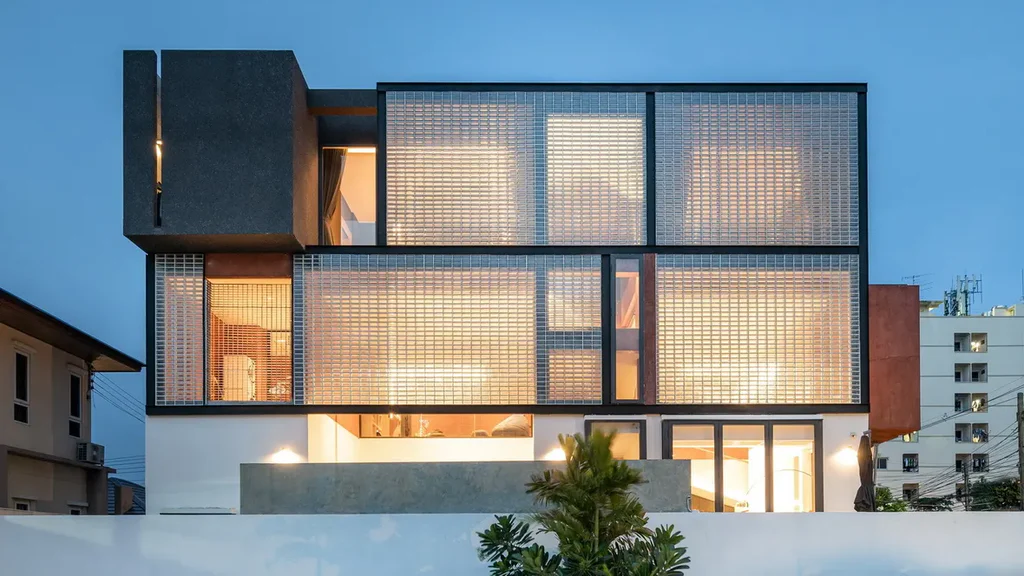
Contemporary architecture reflects the design philosophy of the present era, shaped by rapid technological progress, environmental awareness, and changing lifestyles. Unlike rigid historical styles, it embraces flexibility, experimentation, and responsiveness to modern needs. Today’s architects focus on creating structures that are functional, sustainable, and visually expressive, while also responding to social and environmental challenges.
This article explores the defining elements that shape contemporary architecture and explains how they influence the built environment around us.
What Is Contemporary Architecture?
Contemporary architecture refers to architectural styles developed from the late 20th century to the present day. Rather than following a single visual language, it combines multiple influences such as minimalism, sustainability, smart technology integration, and innovative materials.
Key characteristics include:
- Adaptability to modern lifestyles
- Integration with natural surroundings
- Emphasis on sustainability
- Use of advanced construction techniques
- Clean yet expressive aesthetics
It is best understood as an evolving approach rather than a fixed style.
Emphasis on Simplicity and Clean Lines
One of the most recognizable aspects of contemporary architecture is its preference for clean geometry and uncluttered visual composition.
Common features include:
- Straight or subtly curved lines
- Open floor layouts
- Neutral color palettes
- Minimal decorative detailing
This simplicity allows buildings to feel spacious, calm, and purposeful, making them well suited for both residential and commercial environments.
Sustainable and Eco-Friendly Design 🌱
Environmental responsibility is central to contemporary architecture. Designers increasingly prioritize solutions that reduce environmental impact while improving energy efficiency.
Popular sustainability strategies include:
- Solar panel integration
- Rainwater harvesting systems
- Natural ventilation planning
- Green roofs and vertical gardens
- Use of recycled or renewable materials
These approaches help create energy-efficient buildings that support long-term environmental balance.
Innovative Use of Materials
Modern architects frequently experiment with materials to achieve stronger, lighter, and more adaptable structures.
Commonly used materials include:
- Glass for transparency and daylight access
- Steel for structural flexibility
- Concrete for durability and sculptural form
- Engineered wood for sustainability
Material innovation allows designers to expand creative possibilities while improving building performance.
Large Windows and Natural Light Integration ☀️
Natural lighting plays a major role in contemporary building design. Large windows and open façades connect indoor spaces with the outdoors while improving comfort and energy efficiency.
Benefits include:
- Reduced dependence on artificial lighting
- Enhanced interior atmosphere
- Improved occupant well-being
- Stronger connection to surrounding landscapes
This design strategy creates interiors that feel open, bright, and visually engaging.
Open Floor Plans and Flexible Spaces
Modern living demands adaptability. Contemporary architecture responds with flexible spatial layouts that support multiple uses within the same environment.
Examples include:
- Combined kitchen and living areas
- Movable partitions
- Multi-purpose workspaces
- Convertible residential layouts
Such flexibility ensures buildings remain functional even as lifestyle needs evolve.
Integration of Smart Technologies 🧠
Technology is transforming architecture into an interactive experience. Smart systems enhance comfort, efficiency, and safety within contemporary buildings.
Examples include:
- Automated lighting systems
- Climate control sensors
- Smart security monitoring
- Energy usage tracking tools
These innovations make structures more responsive to occupants and resource-efficient.
Connection Between Indoor and Outdoor Spaces
Contemporary architecture often blurs the boundary between interior and exterior environments.
Design techniques used include:
- Sliding glass walls
- Outdoor living terraces
- Courtyard-centered layouts
- Landscape-integrated façades
This relationship with nature promotes healthier living environments and visual harmony with surroundings.
Expression Through Unique Forms and Geometry
Unlike traditional architecture, contemporary structures often explore bold shapes and asymmetrical compositions.
Architects experiment with:
- Cantilevered volumes
- Layered façades
- Sculptural silhouettes
- Mixed material textures
These creative forms reflect a shift toward architecture as both functional space and artistic statement.
Human-Centered Design Approach
Modern architecture prioritizes the experience of people who interact with spaces daily. Designers focus on improving comfort, accessibility, and usability.
Important considerations include:
- Ergonomic layouts
- Universal accessibility
- Acoustic comfort
- Thermal efficiency
- Visual clarity
This ensures buildings support both physical comfort and emotional well-being.
Frequently Asked Questions (FAQs)
1. How is contemporary architecture different from modern architecture?
Modern architecture refers mainly to early–mid 20th-century design movements, while contemporary architecture represents current and evolving design trends influenced by sustainability and technology.
2. Why is sustainability important in contemporary architecture?
Sustainability reduces environmental impact, lowers energy costs, and creates healthier living environments for occupants.
3. Are contemporary buildings more expensive to construct?
Costs vary depending on materials and technology used. However, energy-efficient designs often reduce long-term operational expenses.
4. What role does technology play in contemporary architectural design?
Technology improves efficiency, automation, safety, and comfort through smart systems and advanced construction techniques.
5. Can contemporary architecture blend with traditional surroundings?
Yes. Many architects intentionally design buildings that respect cultural context while introducing modern functionality.
6. Is contemporary architecture suitable for residential homes?
Absolutely. Contemporary design works especially well for homes because it supports flexible layouts, natural lighting, and sustainable living solutions.
7. What materials define contemporary architectural style the most?
Glass, steel, engineered wood, and reinforced concrete are among the most widely used materials due to their strength, adaptability, and aesthetic flexibility.